When it comes to interior design, furniture is not merely functional; it’s the heartbeat of any space. From the living room to the bedroom, every type of furniture plays a significant role in shaping the atmosphere and functionality of a room. In this blog post, we will explore the various types of furniture in interior design, examining how each piece contributes to the overall aesthetic and purpose of your home.
1. The Living Room: The Heart of the Home
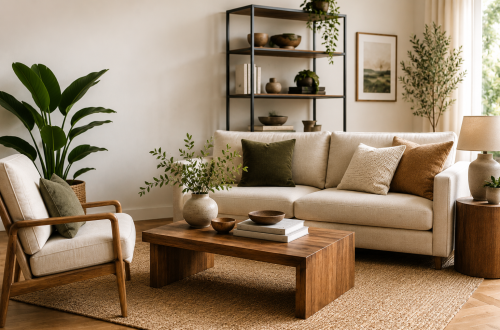
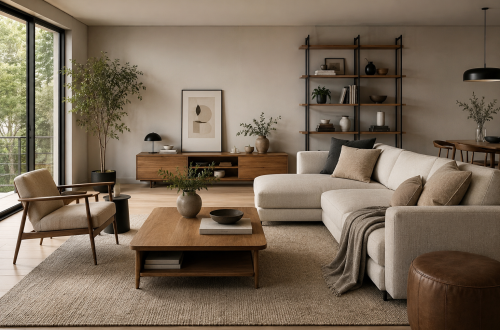
The living room often serves as the first impression of your home. Consequently, choosing the right furniture is essential for creating a welcoming environment. Sofas and armchairs are prominent pieces in this space. Sofas come in numerous styles and configurations, from classic leather to contemporary sectionals. They anchor the room, providing comfort and a focal point around which the rest of the decor revolves.
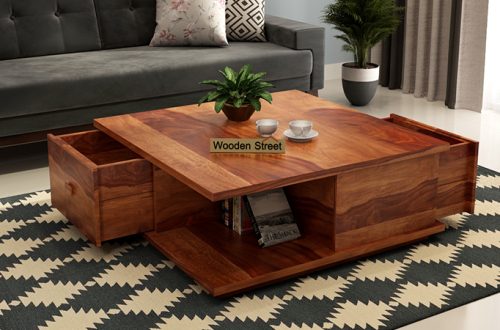
Moreover, side tables and coffee tables serve both functional and aesthetic purposes. While they provide surfaces for drinks and snacks, they also offer opportunities for decorative styling. Consider incorporating a unique coffee table made of reclaimed wood or a sleek glass option to enhance your living room’s personality.
2. Dining Spaces: Where Function Meets Elegance
Dining areas are another essential element of furniture in interior design. A well-chosen dining table can serve as both a gathering spot and an artistic centerpiece. Round tables evoke intimacy, while rectangular tables invite larger groups for family meals or social gatherings.
Chairs play a crucial role as well. Whether you opt for upholstered seats for added comfort or sleek wooden designs for a modern feel, the choice of dining chairs can either complement or contrast your table. Transitioning from a traditional dining set to a more eclectic arrangement can create a dynamic space that sparks conversation.
3. Bedroom Bliss: Sanctuary of Rest
The bedroom represents a personal life sanctuary. In this intimate space, the most pivotal piece of furniture is undeniably the bed. From lavish king-sized beds to minimalist platform beds, the design choices here set the tone for relaxation. Selecting high-quality bedding and headboards can enhance the overall comfort and style of your sleeping quarters.
Additionally, nightstands flank your bed, providing essential storage for books, lamps, and personal items. Opt for nightstands that reflect your design aesthetic. Whether you prefer vintage nightstands with intricate carvings or sleek, modern designs, these small pieces play a significant role in maintaining the room’s balance.
4. Home Office: The Hub of Productivity
In recent years, having a dedicated workspace at home has become increasingly important. Consequently, selecting the right furniture for your home office can greatly boost productivity. Desks range from minimalist writing desks to expansive executive desks, each catering to different work styles and aesthetics.
Ergonomic chairs are also a vital component for comfort during long hours of work. Transitioning from a rigid office chair to a sleek ergonomic design can significantly impact your overall work experience. Moreover, adding bookshelves or storage units can help keep your workspace tidy and organized, promoting efficiency in your daily tasks.
5. The Versatile Entryway: First Impressions Matter
The entryway is the first space your guests encounter, making it a critical area for implementing thoughtful furniture choices. Hall trees and benches provide functional seating and storage for coats and shoes. Additionally, a stylish console table can display decorative items while offering practical storage solutions.
Transitioning from a purely functional entryway to one that reflects your personal style can be achieved with the right choices in furniture. Incorporating mirrors not only adds dimension but also plays a practical role in allowing you to check your appearance before heading out the door.
6. Outdoor Oasis: Extending Your Living Space
As we consider furniture in interior design, it’s essential to recognize the increasing importance of outdoor spaces. Patio furniture transforms balconies and gardens into relaxing retreats. From loungers to dining sets, the right outdoor furniture can extend your living area, providing a perfect setting for alfresco dining or sunbathing.
Moreover, incorporating outdoor rugs and cushions can enhance comfort and style. As the seasons change, durable materials and weatherproof designs ensure your outdoor furniture remains stylish and functional year-round.
7. Storage Solutions: Keeping Clutter at Bay
Effective storage solutions are crucial in any home to maintain order and visual appeal. From cabinets to bookshelves, each piece of furniture can serve as both a storage unit and a design element. For instance, opt for open shelving to display decorative items while also organizing books and trinkets.
Transitioning from traditional closed storage to open shelving can allow for creativity in displaying personal collections. Mixing different materials, such as wooden shelves with metal brackets, can add depth and interest to your space while enhancing functionality.
8. Accent Pieces: Adding Personality
Accent furniture pieces breathe life into any interior design scheme. Items like ottomans, poufs, and accent chairs allow for personalization and creativity. These small yet impactful additions can transform the mood of a room, making it feel more inviting and eclectic.
In addition to functionality, consider the color and pattern of your accent furniture. A vibrant colored ottoman can serve as a fun pop of color while a patterned accent chair can anchor a neutral palette. These choices not only enhance your design but also invite conversation and interest.
9. Specialty Furniture: Uniqueness in Design
Specialty furniture, while not essential, adds a unique flair to your home. These pieces can range from statement armoires to vintage trunks, offering both aesthetic charm and individuality. Incorporating specialty furniture encourages creativity in your design, allowing you to express personal style.
Transitioning to furniture with a story—like vintage finds or custom pieces—imbues your space with character that mass-produced items cannot replicate. Consider visiting local markets or antique shops for that perfect piece that tells a story and adds a touch of uniqueness to your interior design.