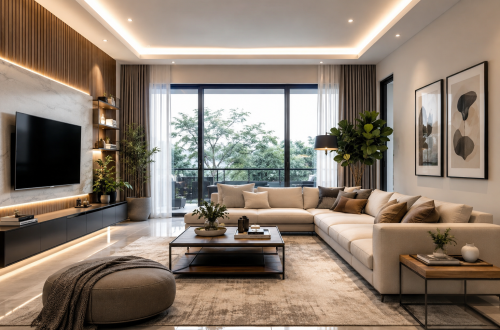
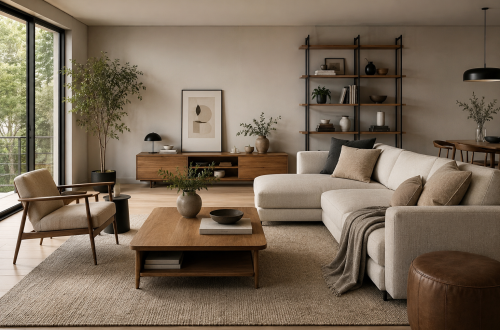
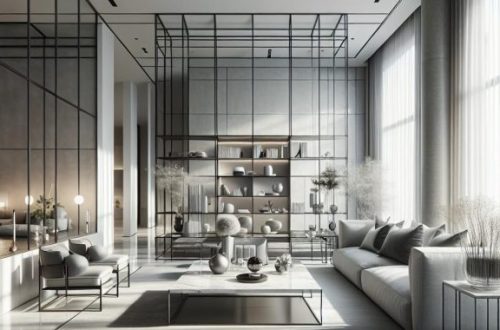
The Heart of Hospitality Hotel Room Furniture Design
When it comes to the hospitality industry, the adage “first impressions last” rings particularly true. The moment guests step into a hotel room, they are greeted not just by a space but a carefully curated experience. The design of hotel room furniture plays a pivotal role in shaping that encounter. By harmonizing functionality, aesthetics, and comfort, hotel room furniture design creates a memorable atmosphere that lingers long after guests check out.
However, designing hotel room furniture is not just about filling a room with generic items. It’s about creating a cohesive narrative that reflects the hotel’s brand, enhances the guest experience, and ensures practicality. The interplay of colors, textures, and styles can transform a simple space into a sanctuary. Thus, it’s crucial to delve deeper into the nuances of hotel room furniture design.
Understanding the Essence of Hotel Room Furniture Design
Before diving into specifics, let’s explore what hotel room furniture design truly encompasses. At its core, hotel room furniture design is about crafting environments that marry comfort with sophistication. Every piece of furniture serves a purpose, from the bed that cradles weary bodies to the desk that facilitates work and leisure.
Moreover, hotel room furniture must cater to diverse needs. Think about it: a family with children, a couple on a romantic getaway, or a business traveler looking for efficiency. Each type of guest requires a different approach to furniture selection and layout. Therefore, understanding the essence of hotel room furniture design means recognizing the diverse functionalities that different guests seek.
Comfort Meets Functionality: The Bed and Beyond
The bed is undeniably the centerpiece of any hotel room. It’s the focal point where comfort meets functionality. High-quality mattresses, stylish headboards, and soft linens contribute to an inviting atmosphere that encourages guests to unwind and recharge. Notably, hotel room furniture design emphasizes the importance of a good night’s sleep, propelling the hotel’s reputation through positive guest reviews.
Additionally, side tables and bedside lamps enhance the bed’s functionality. Guests appreciate having a place to set down their belongings, whether it’s a glass of water or a favorite book. Including features like USB ports makes the bedside table even more functional, accommodating the tech-savvy traveler. Therefore, when designing hotel room furniture, prioritize the bed and its surrounding essentials to foster a welcoming environment.
The Work-Life Balance: Desks and Seating Areas
With the rise of remote work and business travel, the need for functional workspaces in hotel rooms has never been more significant. Desks that are ergonomic, stylish, and equipped with sufficient lighting transform a corner of the room into a productive workspace. That said, room furniture design should reflect the balance between work and leisure.
Incorporating comfortable seating areas within hotel rooms can significantly enhance the guest experience. Armchairs or small sofas provide a perfect spot for relaxation or casual meetings. Guests appreciate having a variety of seating options that allow them to tailor their experience to their needs. By integrating dedicated workspaces alongside comfortable seating, you cater to both business and leisure travelers, creating a multi-functional environment.
Style That Tells a Story: Aesthetic Choices
Beyond functionality, hotel room furniture design allows hotels to tell their stories. A cohesive design aesthetic reflects the hotel’s brand identity and locale. For instance, a coastal hotel may opt for light-colored furniture with natural textures that evoke beach vibes, while a chic urban hotel might showcase sleek, modern lines in its design.
Furthermore, incorporating local art and craftsmanship into furniture pieces adds a layer of authenticity. Guests often appreciate taking home a piece of the local culture, creating a unique connection to the area. Therefore, while selecting furniture, always consider how each piece contributes to the overall narrative of the hotel’s branding and guest experience.
Sustainable Choices: Eco-Friendly Furniture
In today’s socially conscious environment, sustainability plays a crucial role in hotel room furniture design. Guests are increasingly concerned about their ecological footprint, and hotels can lead by example. Choosing eco-friendly materials, like reclaimed wood or sustainably sourced textiles, not only reduces environmental impact but also attracts eco-conscious travelers.
Moreover, incorporating sustainable practices into furniture design can enhance the hotel’s image. By showcasing the choice of eco-friendly furniture through marketing and in-room information, hotels can appeal to a growing demographic of environmentally conscious visitors.
Lighting the Mood: The Importance of Lighting
Lighting is a critical aspect of hotel room furniture design, often overlooked but essential in setting the tone for the space. Thoughtfully designed lighting elevates the ambiance, influencing how guests feel during their stay. From overhead fixtures to task lighting, the right mix enhances the functionality and aesthetic of the room.
Incorporating dimmable lights allows guests to tailor the ambiance to their preferences, whether they desire bright light for work or soft lighting for relaxation. Furthermore, strategic placement of mirrors can amplify natural light, making the room feel more spacious.
Flexibility and Adaptability: Modular Furniture Solutions
As hospitality trends evolve, flexibility and adaptability in furniture design become vital. Modular furniture solutions provide flexibility, allowing hotel rooms to cater to a wide range of guest needs. For instance, a modular sofa can adapt to different configurations, accommodating families, couples, or solo travelers.
Additionally, furniture on wheels or foldable pieces enable quick transformations of space. A compact dining table that folds down is ideal for smaller rooms. By incorporating flexible furniture solutions into hotel room furniture design, hotels can optimize space and enhance the guest experience. This adaptability ensures that every guest feels comfortable, regardless of their specific needs.
Shaping Memorable Experiences
As we reflect on the intricacies of hotel room furniture design, it’s clear that successful design transcends mere aesthetics. Each piece, from the bed to the desk, contributes to a unique guest experience that influences their perception of the hotel. By understanding the balance of comfort, functionality, and style, hoteliers can create inviting spaces that leave lasting impressions.
Moreover, embracing sustainability, flexibility, and local artistry enhances the hotel’s appeal, making it a destination of choice. The journey of designing hotel room furniture is not merely a task; it is an opportunity to craft memorable experiences. So, the next time you walk into a hotel room, take a moment to appreciate the thought and creativity that goes into the furniture design—an art form that elevates hospitality to new heights.