In the ever-evolving world of interior design, striking the right balance between timeless elegance and modern functionality can be a daunting task. Yet, classic modern design furniture embodies the perfect synergy of these elements, transforming our living spaces into havens of beauty and utility. In this blog post, we will explore classic design furniture’s characteristics, its origins, and how it harmoniously integrates with modern decor.
1. The Roots of Classic Modern Design Furniture
Classic modern design furniture has its origins in the early to mid-20th century, a period marked by a radical departure from ornate, traditional styles. Designers began to embrace minimalist aesthetics, focusing on simplicity and functionality without sacrificing beauty. Influential figures such as Charles and Ray Eames, Mies van der Rohe, and Eero Saarinen paved the way for what we now consider classic modern design.
This movement arose as a reaction to the elaborate, decorative styles that dominated previous eras. Instead, it championed the idea that less is more. Designers sought to create pieces that were not only functional but also sculptural in form. Consequently, the furniture from this era continues to resonate deeply with modern consumers, reflecting a universal desire for both aesthetic pleasure and practical utility.
2. Defining Characteristics of Classic Design Furniture
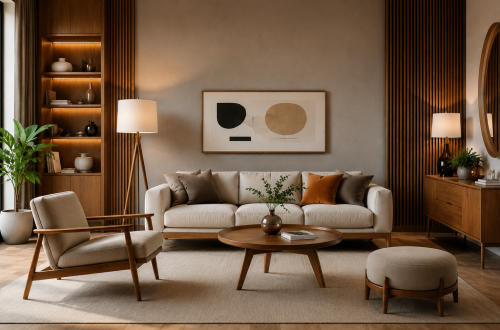
Classic furniture is characterized by its clean lines, geometric shapes, and harmonious proportions. Often made from high-quality materials, such as wood, leather, and metal, these pieces are designed to withstand the test of time, both in durability and style. Notably, many classic designs also incorporate organic forms, inspired by nature, resulting in furniture that feels both grounded and uplifting.
Moreover, the colors associated with classic design furniture often reflect a muted palette that emphasizes natural tones. Earthy hues—beiges, browns, and grays—dominate the color scheme, allowing the furniture to blend seamlessly into various decor styles. This adaptability further enhances its appeal, making classic design furniture an excellent choice for those seeking to create a sophisticated and inviting atmosphere.
3. The Fusion of Classic and Modern Elements
As the interior design landscape continues to evolve, the fusion of classic and modern elements becomes increasingly prominent. By integrating classic design furniture with contemporary decor, homeowners can achieve a timeless elegance that feels fresh and relevant. This blending creates visual interest and depth, transforming a space into a unique expression of personal style.
For instance, pairing a sleek, modern sofa with a vintage Eames lounge chair creates a striking juxtaposition that highlights the strengths of each piece. Likewise, incorporating classic wooden dining chairs around a modern glass table creates an inviting and dynamic dining area. Such combinations showcase how classic design furniture can coexist with modern elements while enhancing the overall aesthetic of a room.
4. Sustainability in Classic Modern Design
Sustainability is a crucial consideration in today’s design ethos, and classic modern design furniture often aligns with this principle. Many classic pieces are designed for longevity, crafted from high-quality materials that age beautifully over time. By investing in enduring designs rather than fast furniture trends, consumers contribute to a more sustainable future.
Additionally, many contemporary designers take inspiration from classic designs while employing sustainable materials and production methods. This evolution brings a fresh perspective to classic design furniture, ensuring it remains relevant in a world increasingly focused on environmental responsibility. As such, choosing classic modern furniture can support a greener lifestyle.
5. How to Choose the Right Classic Design Furniture
Selecting the right classic design furniture for your space can be a rewarding, yet challenging process. To begin, evaluate your existing decor and consider how the classic pieces you’re interested in will fit within that context. Aim for a cohesive look by ensuring your selections maintain a harmonious balance in terms of color, scale, and style.
Furthermore, prioritize quality over quantity when investing in classic design furniture. While it may be tempting to fill your space with numerous items, a few well-chosen pieces can make a more significant impact. Choose designs that resonate with your personal aesthetic, ensuring they will remain cherished for years to come. In this way, you create a curated space that reflects your individuality and appreciation for timeless design.
6. The Role of Lighting in Enhancing Classic Modern Decor
Lighting plays a pivotal role in accentuating classic modern furniture. Thoughtfully considering your lighting choices can dramatically impact the ambiance of your space, enhancing the beauty of classic pieces. For instance, the use of warm, soft lighting can create a welcoming environment, allowing the organic shapes and rich textures of classic design furniture to shine through.
Incorporating statement lighting fixtures, such as a mid-century modern chandelier or a sleek floor lamp, can also draw attention to key design elements in your space. These fixtures not only provide illumination but also become focal points that complement the elegance of classic furniture. By harmonizing lighting with your furniture choices, you can elevate the overall aesthetic of your home.
7. Regional Influences on Classic Modern Design
The impact of regional influences on classic modern design furniture cannot be overstated. Different cultures have contributed unique perspectives and materials to the movement. Scandinavian design, for example, emphasizes simplicity, functionality, and natural materials—traits that resonate deeply within the classic modern realm. The clean lines and soft hues of Scandinavian furniture can effortlessly blend with various styles.
Similarly, Italian modernism introduces a sense of luxury and sophistication, often featuring bold colors and innovative shapes. The interplay between these diverse influences enriches the landscape of classic design furniture, offering consumers a multitude of choices that can reflect their personal style and cultural appreciation. Embracing these regional elements allows each piece to tell a story, further enhancing its significance in your home.
8. Care and Maintenance of Classic Design Furniture
To preserve the beauty of design furniture, proper care and maintenance are essential. Depending on the materials used, different strategies may be required. For wooden furniture, periodic polishing and dusting can help maintain its luster and prevent scratches. Additionally, keeping the furniture away from direct sunlight can protect it from fading over time.
For upholstered pieces, regular vacuuming and the use of fabric protectors can prevent dirt accumulation and stains. Investing in a professional cleaning service when necessary can also ensure your furniture remains in pristine condition. By committing to care routines, you not only extend the life of your classic design furniture but also enhance its charm and appeal.
9. The Enduring Appeal of Classic Modern Design
As we navigate through modern trends and aesthetic shifts, classic modern design furniture endures as a beacon of style and sophistication. Its ability to adapt and complement a wide array of interior styles speaks to its timelessness. Whether you lean toward minimalist decor or prefer eclectic taste, classic design furniture provides a versatile foundation that enhances your personal choices.
Moreover, the emotional connection we develop with these pieces transcends time and trends, making them an integral part of our homes and lives. As collectors and enthusiasts continue to seek out classic designs, the legacy of modern furniture will undoubtedly persist, captivating generations to come. When curated thoughtfully, classic modern design furniture becomes more than mere objects; they evolve into cherished artifacts of our lives.